
01
Data acquisition & quality
Define data sources, quality checks, scope and study limitations before interpreting results.
SPECIALIST PROFILES
Explore the experience and interests behind our work.
RESEARCH SYSTEM / TEAM DETAILS
Explore the experience and interests behind our work. Our approach brings together domain understanding, appropriate computational methods, clear documentation, and transparent interpretation. Each engagement is planned around the research question, available evidence, and intended audience.
 FIG. 01 — COMPUTATIONAL RESEARCH VISUALIZATION
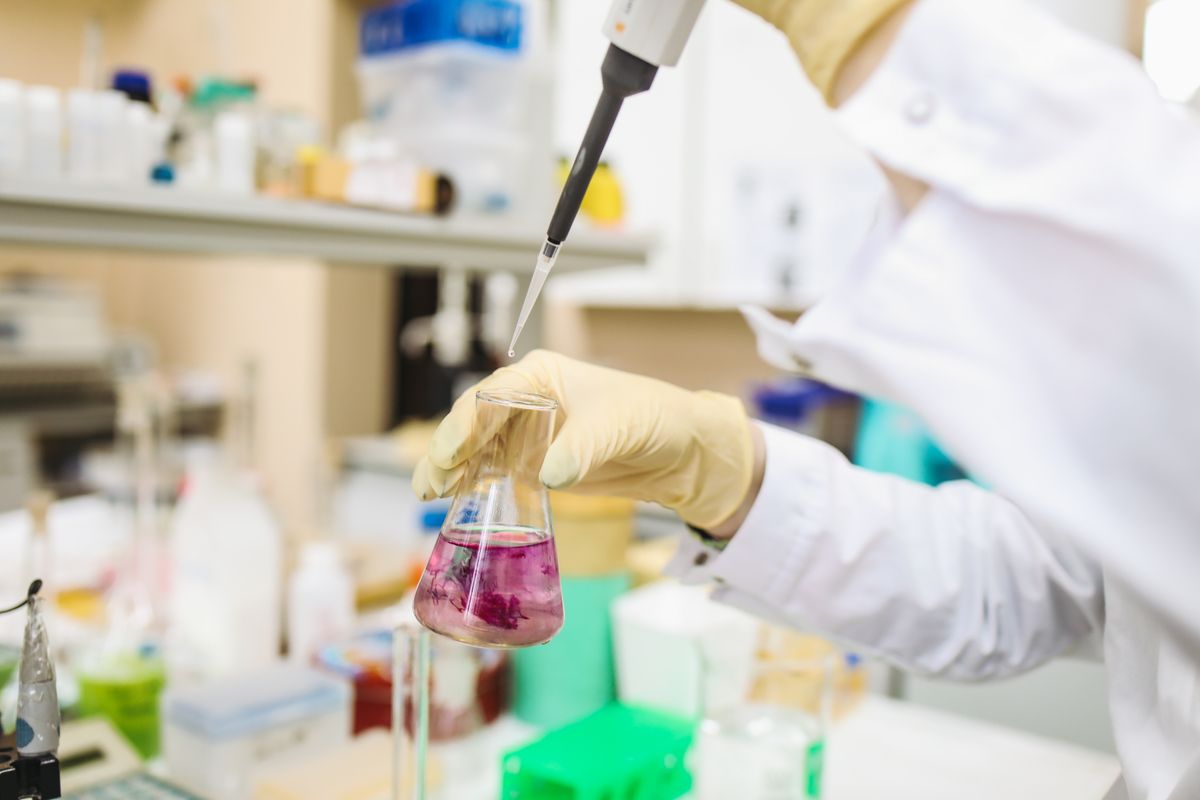
 FIG. 02 — RESEARCH DATA VISUALIZATION
From scientific questions to documented findings
Define data sources, quality checks, scope and study limitations before interpreting results.
Select computational techniques that fit the evidence, assumptions and intended scientific use.
Document decisions, parameters, versions and provenance to support reproducibility.
Translate complex structures, signals and relationships into readable scientific figures.
Communicate uncertainty, caveats, results and next steps without overstating conclusions.
Methods, assumptions and deliverables are defined collaboratively. Illustrations on this page are conceptual and do not represent experimental findings.
GREENTECH LABS / RESEARCH INSIGHTS
Explore the experience and interests behind our work. Explore the considerations, methods, review standards and practical next steps that inform this area of scientific work.
 RESEARCH IN PRACTICE / 01
01 / UNDERSTANDING THE WORK
Scientific Expertise & Collaboration brings together considerations such as specialist expertise, collaborative responsibilities, research interests, and peer review. A practical project starts by establishing what is known, what remains uncertain, and how the proposed work will help answer a specific question. This creates a common reference point for researchers, technical contributors, and project stakeholders.
Good planning also clarifies what the service is not intended to establish. Exploratory patterns should not be presented as confirmed causal relationships, and illustrative scientific graphics should never be confused with experimental results. Expectations about timelines, available data, reporting formats, and review responsibilities belong in the initial discussion rather than being discovered at the end.
For teams comparing approaches, a useful starting point is to inventory available information, identify critical gaps, and prioritize the work that will most improve the quality of the next decision. This may involve a preliminary feasibility review, an evaluation of analytical methods, or a more detailed project specification.
02 / SIX-STEP RESEARCH FRAMEWORK
Each stage below is a planning framework rather than a claim that every engagement follows an identical process. The appropriate scope depends on the scientific objective, data quality, and agreed deliverables.
A useful engagement begins with a question that can be answered using the available evidence, time, and resources. In the context of scientific expertise & collaboration, pay particular attention to specialist expertise and research interests.
Before selecting tools or creating figures, identify the audience, intended decision, success criteria, constraints, and what would count as a meaningful result. Record the assumptions behind the initial scope. A narrow, testable question is usually more useful than an expansive promise that cannot be evaluated.
Source material should be understood before it is transformed. In the context of scientific expertise & collaboration, pay particular attention to collaborative responsibilities and peer review.
Review dataset origins, collection methods, completeness, licensing, documentation, quality concerns, and potential selection bias. Determine whether data are appropriate for the question being asked. Missing values, inconsistent units, and unclear provenance should be documented instead of hidden behind polished outputs.
Methods should follow the research question rather than dictate it. In the context of scientific expertise & collaboration, pay particular attention to specialist expertise and peer review.
Compare potential approaches against interpretability, validation needs, computational requirements, sensitivity to assumptions, and available expertise. Establish review checkpoints and record important decisions. Where automation or artificial intelligence is involved, independent human assessment remains necessary.
Transparent iteration makes scientific work easier to evaluate and reproduce. In the context of scientific expertise & collaboration, pay particular attention to collaborative responsibilities and research interests.
Use versioned inputs, traceable parameters, controlled changes, and clear acceptance criteria. Test edge cases and compare outputs with reference material where appropriate. Keep exploratory findings separate from validated conclusions and identify what further work would be needed to increase confidence.
Clear reporting is as important as technical execution. In the context of scientific expertise & collaboration, pay particular attention to specialist expertise and peer review.
Deliverables should explain methods, key observations, uncertainty, limitations, and intended use. Figures need legible labels, units, captions, and appropriate context. Documentation should enable collaborators to understand what was done and distinguish interpretation from measured evidence.
Research is most useful when findings connect to an actionable next step. In the context of scientific expertise & collaboration, pay particular attention to collaborative responsibilities and peer review.
Agree on review responsibilities, outstanding questions, future validation, maintenance needs, and the format of the final handover. If evidence is insufficient, communicate that explicitly. The next stage may be further analysis, an experimental check, software improvement, publication preparation, or a revised research question.
03 / TECHNICAL CONSIDERATIONS
For scientific expertise & collaboration, the strongest outputs connect a clear method to an explicit purpose. That means defining the role of specialist expertise, explaining decisions around collaborative responsibilities, checking the implications of research interests, and documenting how peer review influences the final interpretation. These topics should be addressed with language that both specialist and non-specialist stakeholders can understand.
Where projects involve sensitive research information, the parties should agree on access, retention, permitted uses, and appropriate safeguards before data are exchanged. A technical deliverable can include code, a model, a figure, a dashboard, a report, or a structured recommendation; each requires different acceptance criteria and ongoing responsibilities.
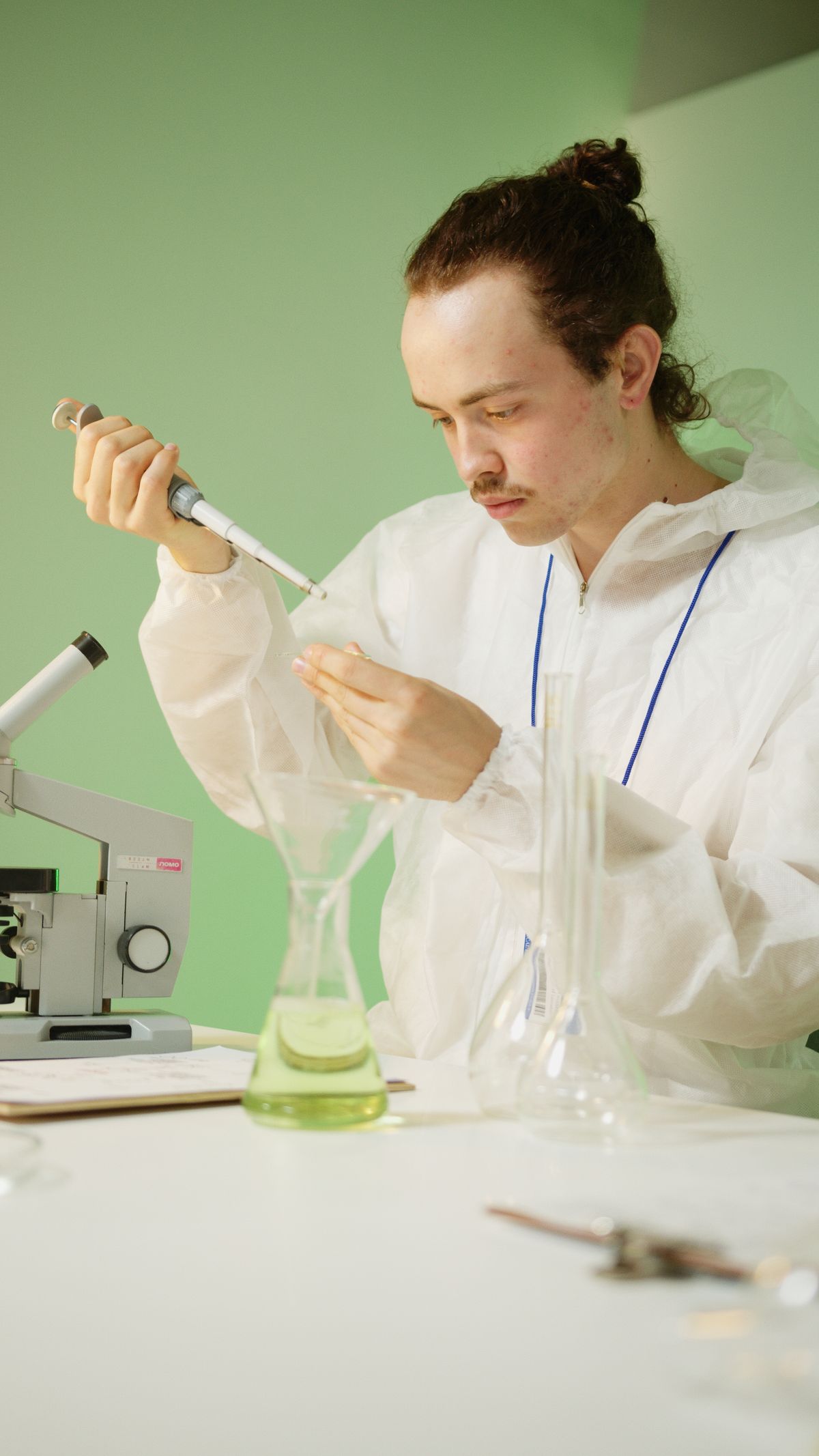
Scientific figures and photographs throughout this page are illustrative. They provide visual context and are not representations of specific client results, laboratory findings, completed contracts, or validated product performance.
04 / WHAT TO PREPARE
When contacting a research services team, prepare a concise description of the question you want to answer, the audience for the result, and any decision deadline. Include an overview of available data or source material, preferred outputs, known limitations, and relevant ethical or institutional requirements. A complete dataset is not always needed for an initial discussion, but clarity about its existence and condition helps establish feasibility.
Identify whether the work is exploratory, intended for publication, being incorporated into a software product, or supporting an internal decision. These purposes can require very different levels of validation, documentation, accessibility, and maintenance. If your project depends on collaborators, note who can approve the scope and review technical decisions.
05 / WHAT TO EXPECT
A credible proposal should distinguish scope from assumptions and define what will be delivered, how revisions are handled, and what information the client must provide. For scientific expertise & collaboration, examples of potential deliverables include a methods outline, a documented analytical workflow, annotated scientific figures, an implementation plan, or a concise interpretation report, depending on the agreed service.
Timelines and results cannot be guaranteed without understanding the inputs and project constraints. A responsible process makes uncertainty visible, invites technical review, and identifies the conditions under which a finding or output is ready to be used.
06 / EVALUATING YOUR OPTIONS
For scientific expertise & collaboration, begin by distinguishing verified source material from assumptions, incomplete records, or preliminary interpretations. Describe how information was collected, whether it can be shared, and which restrictions apply. Where inputs come from multiple sources, clarify how identifiers, terminology, and units will be reconciled. This helps prevent downstream errors and makes it easier to estimate the effort required for cleaning, integration, and quality review.
Do not assume that more data automatically means better evidence. Relevance, representativeness, accuracy, and provenance can matter more than volume. When uncertainty cannot be resolved, a useful deliverable may be an explicit assessment of those limitations and a recommendation for the next data-collection step.
Decide early whether success will be assessed through technical performance, reproducibility, expert review, communication quality, or suitability for a defined scientific decision. Identify reference material or benchmark examples where possible. For work involving specialist expertise or collaborative responsibilities, consider what would demonstrate that the selected method is appropriate rather than merely visually impressive.
Evaluation should include failure cases, unexpected outputs, and sensitivity to key assumptions. Results that depend heavily on one parameter or an incomplete subset of the evidence deserve careful qualification. A structured review makes it easier to improve the approach without losing sight of the original research question.
Researchers, software teams, institutional reviewers, publishers, and decision-makers may need different formats and levels of detail. A figure intended for a journal requires different annotations than an interactive dashboard intended for exploratory analysis. Clarify accessibility, file formats, documentation, versioning, and any required integration with existing tools before implementation begins.
When a project touches research interests and peer review, agree on the people responsible for reviewing scientific accuracy and approving final materials. Separate the roles of technical implementation, domain interpretation, and organizational authorization. This reduces ambiguity and makes handover more effective.
A research output can require additional validation, a revised protocol, maintenance, a manuscript update, or further consultation. Define which activities are part of the original scope and which would require a separate agreement. Document known limitations, dependencies, and recommendations so the next contributor can understand how the work was produced.
Long-term usefulness depends on traceability. Preserve enough context for a future reviewer to identify source versions, assumptions, key decisions, and unresolved questions. A successful engagement should leave the research team better equipped to evaluate evidence and choose its next step, even when the immediate result is inconclusive.
START WITH A CLEAR QUESTION
Share your objectives, available evidence, and desired deliverables. We can begin with a conversation about project fit and practical next steps.

Adipiscing elit sed do eiusmod tempor incididunt ut labore et dolore magna aliqua. Ut enim ad minim veniam quis nostrud exercitation ullamco laboris nisi ut aliquip. Duis aute irure dolor in reprehenderit in voluptate velit esse cillum dolore eu fugiat nulla pariatur excepteur sint occaecat cupidatat non.
Nam eget dui vel quam sodales semper quis porttitor tortor. Vivamus quis ex nulla interdum laoreet a ut dui. Nam eget dui vel quam sodales semper quis. Exerci tation ullamcorper suscipit lobortis nisl aliquip ex ea commodo.
Contact with me